missing translation for 'onlineSavingsMsg'
Learn More
Learn More
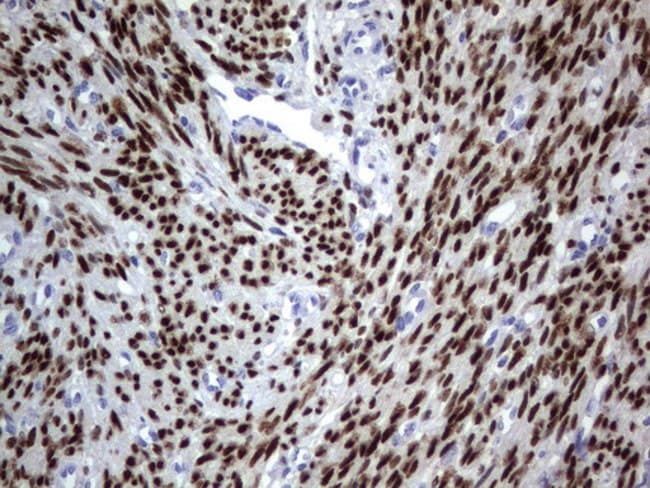
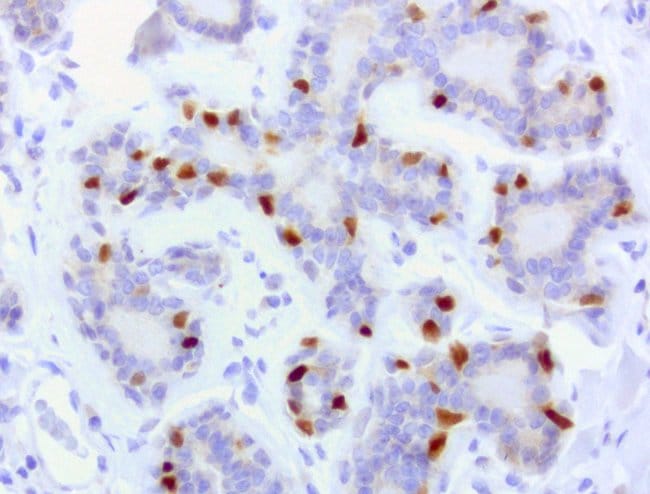
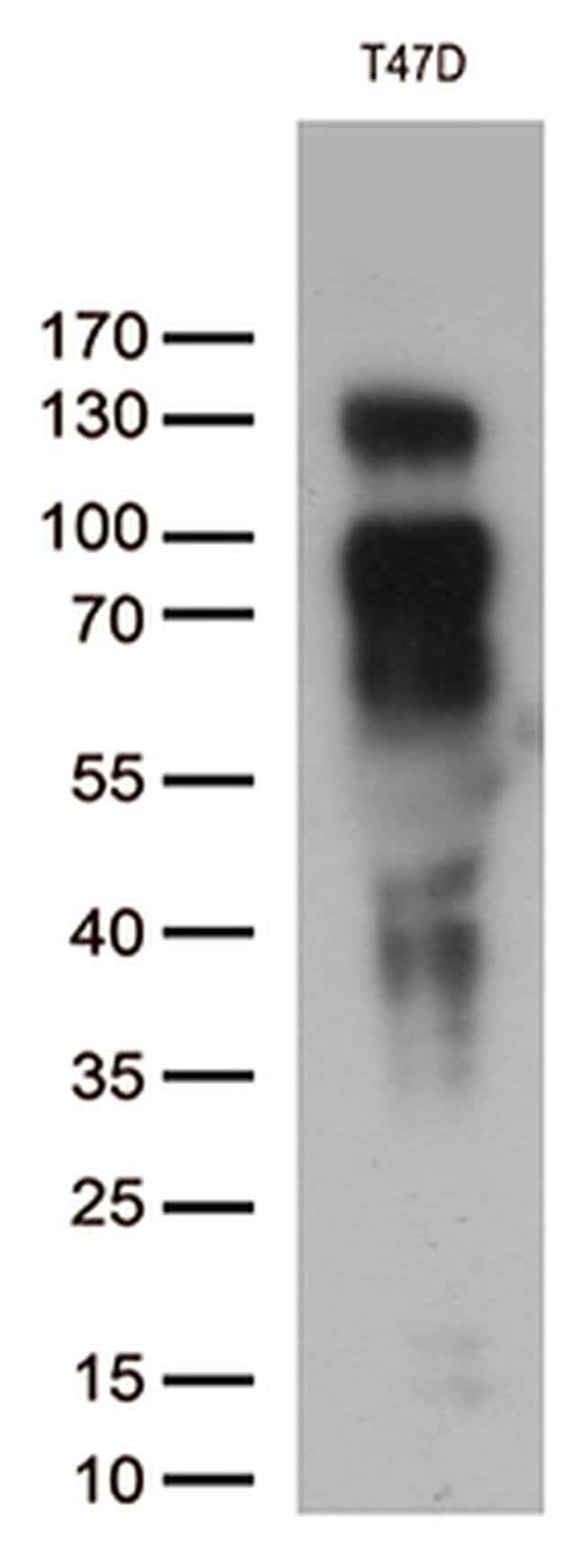
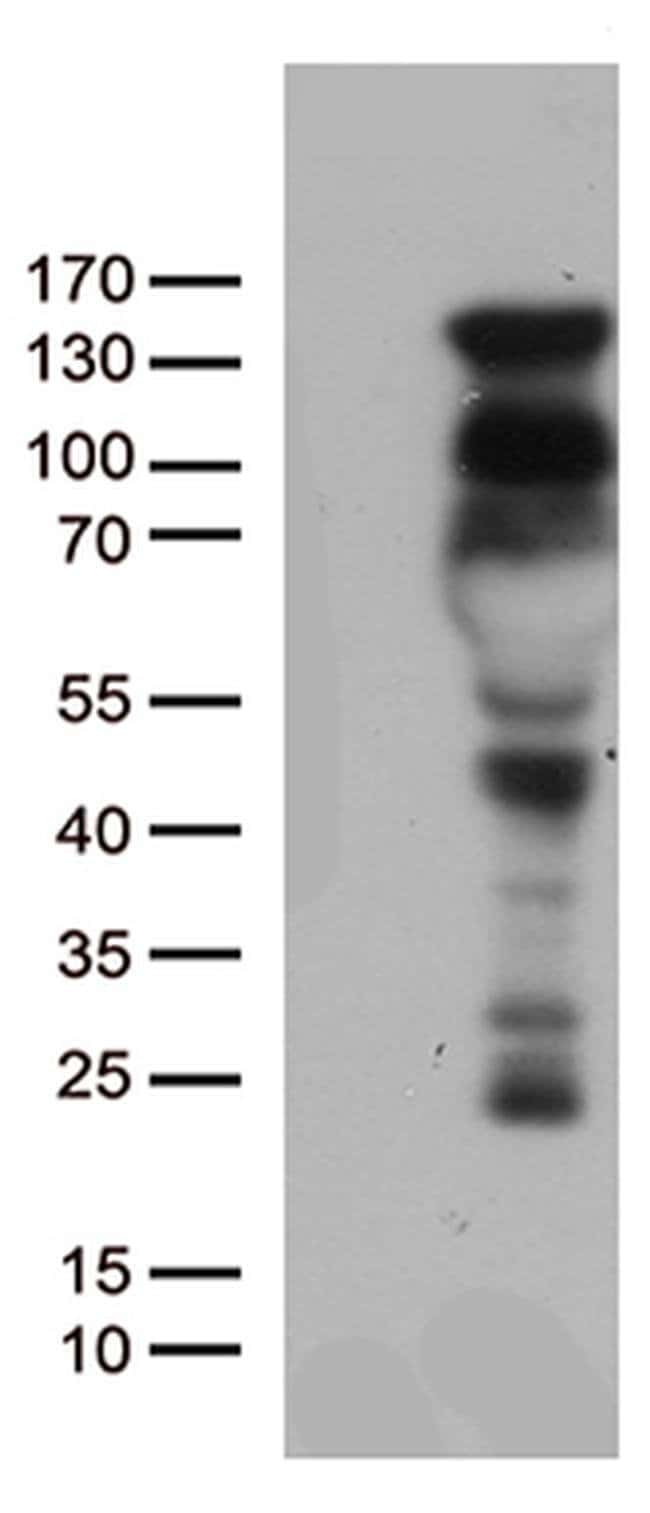
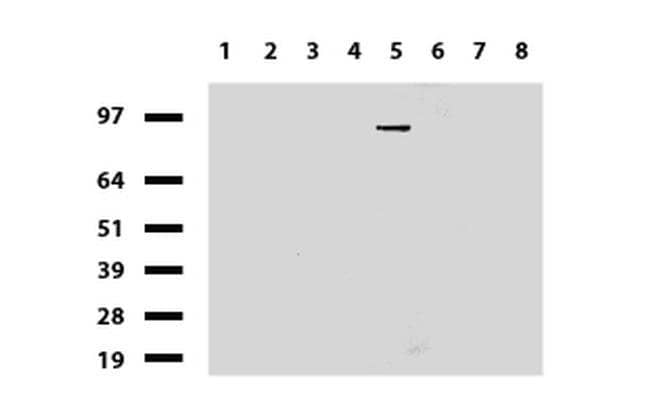
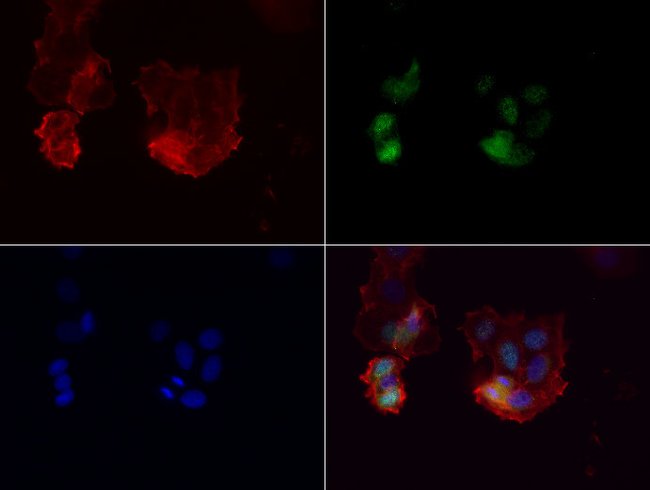
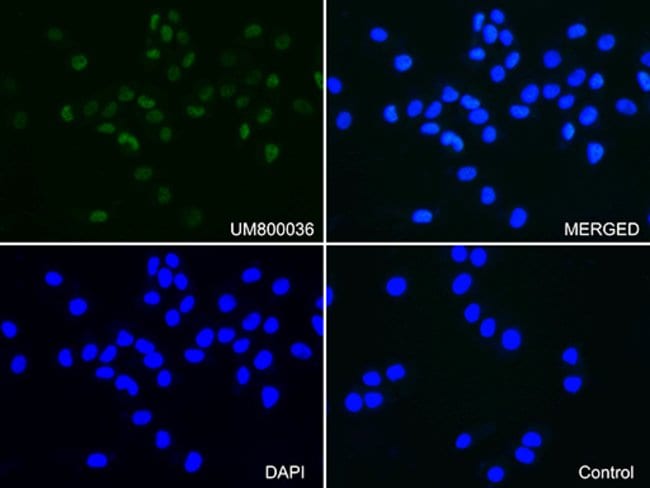
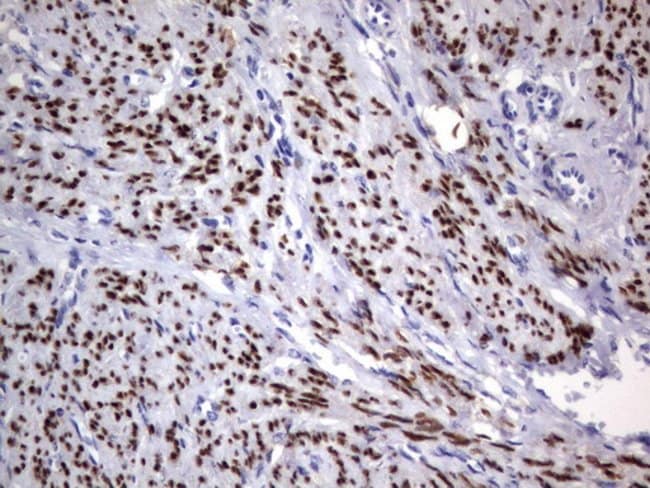
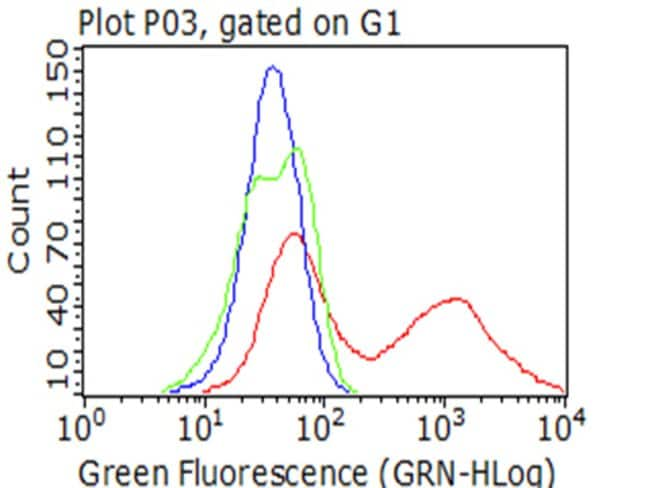
PGR Mouse anti-Human, Clone: UMAB135, liquid, UltraMAB™

Descrizione
The progesterone receptor (PR) is a member of the steroid family of nuclear receptors. The PR mediates the physiological effects of progesterone, which plays a central role in reproductive events associated with the establishment and maintece of pregcy. PR is found as a 94 kDa protein (Form A) or a 120 kDa protein (Form B) due to the use of alternative translation initiation sites. PR-B is the transcriptionally active form and is responsible for activating genes for the maintece of the endometrium, maintece of pregcy, and inhibition of ovulation. PR-A is identical to PR-B except for a 165 amino acid deletion at the N-terminus. This deletion exposes a 140 amino acid inhibitory domain (ID) that acts as a repressor of steroid hormone transcriptional activity. In its inactive state, PgR forms a multiprotein complex which includes heat shock proteins and immunophins. Upon binding of progesterone hormone to its receptor, there is a conformational change that allows dimerization and binding of the receptor to progesterone response elements (PRE) sequences, resulting in activated transcription. A Null mutation in the PGR gene leads to pleiotrophic reproductive abnormalities.
Specifica
Specifica
| Antigène | PGR |
| Applications | Immunohistochemistry (Paraffin) |
| Classification | Monoclonal |
| Clone | UMAB135 |
| Conjugué | Unconjugated |
| Formule | PBS with 1% BSA, 50% glycerol and 0.02% sodium azide |
| Expression | PGR |
| Numéro d’ordre du gène | P06401 |
| Alias de gène | NR3C3, PR |
| Symboles de gène(s) | PGR |
| Vedi altri risultati |
Titolo del prodotto
Facendo clic su Invia, l'utente riconosce che potrebbe essere contattato da Fisher Scientific in merito al feedback fornito in questo modulo. Non condivideremo le vostre informazioni per altri scopi. Tutte le informazioni di contatto fornite saranno conservate in conformità con la nostra Politica sulla privacy. Informativa sulla privacy.
Individuate un'opportunità di miglioramento?