Microplate Strips
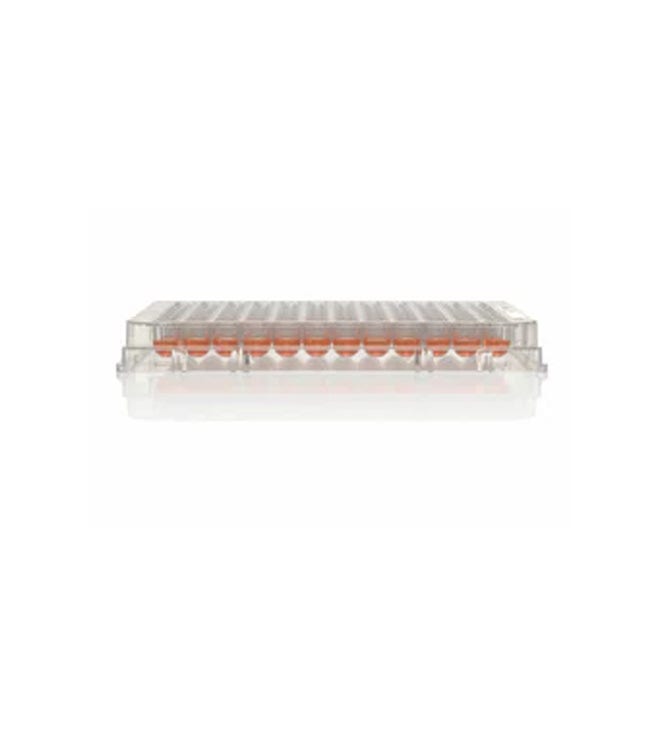
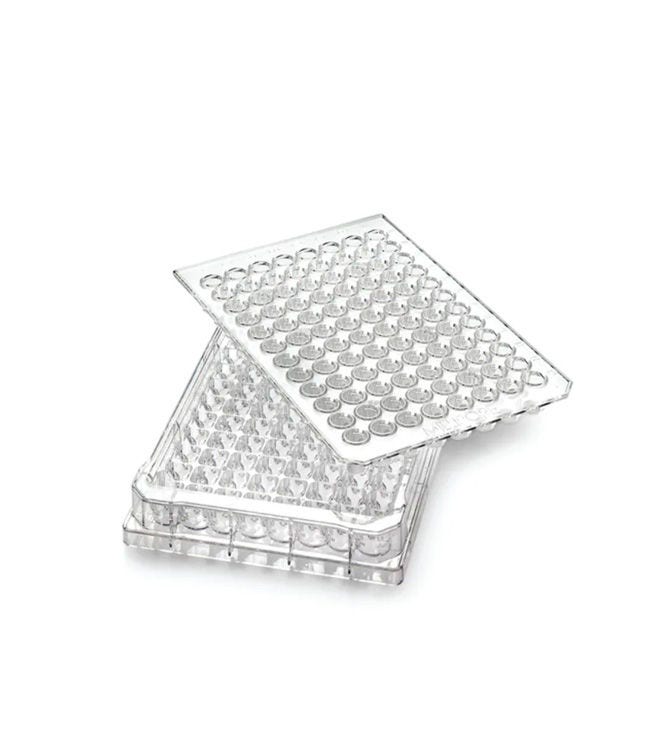
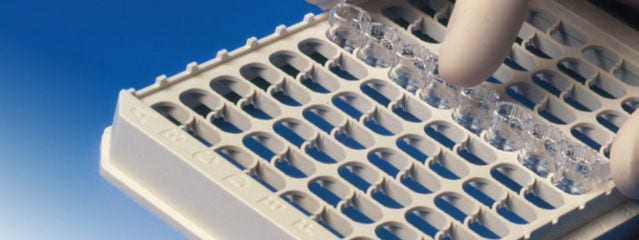
Microplate strips are versatile and efficient tools designed for laboratory use, particularly in assays such as ELISA and PCR. These strips consist of individual wells that can be easily separated and configured according to the specific needs of various experiments. Their modularity ensures optimal flexibility and cost-effectiveness, making them an invaluable asset for precision-driven scientific research and diagnostics.
Useful Links
Save Now - Exclusive Deals

Product Code 10517691
Product Code 200132140

Product Code 10744256

Product Code 10524811

Product Code 17875187
Complete Your Order - Great Deals

Must Have

Product Code 10688771

Product Code 10063743

Product Code 11643189

Product Code 11653189

Product Code 11774978
FAQ
Microplate strips, often used in laboratory settings for assays and experiments, have several common features:
- Material: Typically made from polystyrene, polypropylene, or polycarbonate, which are chosen for their chemical resistance and optical clarity.
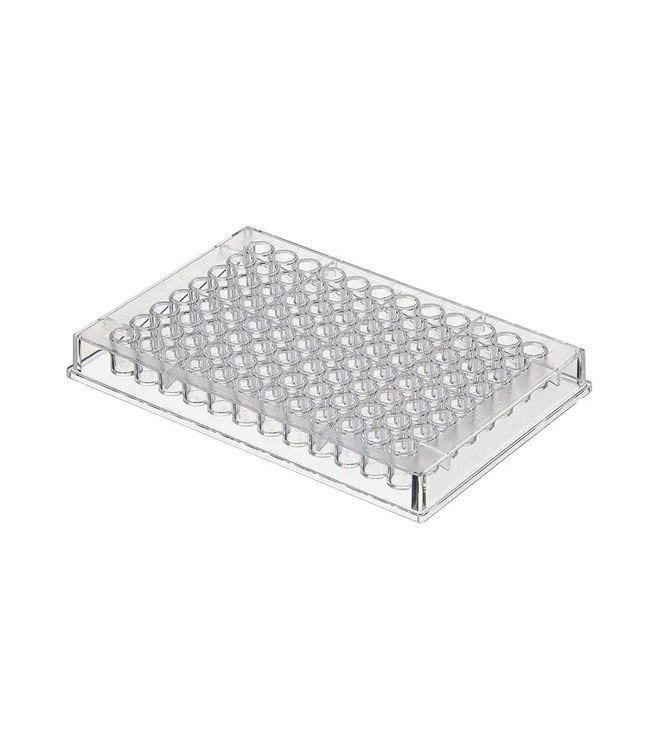
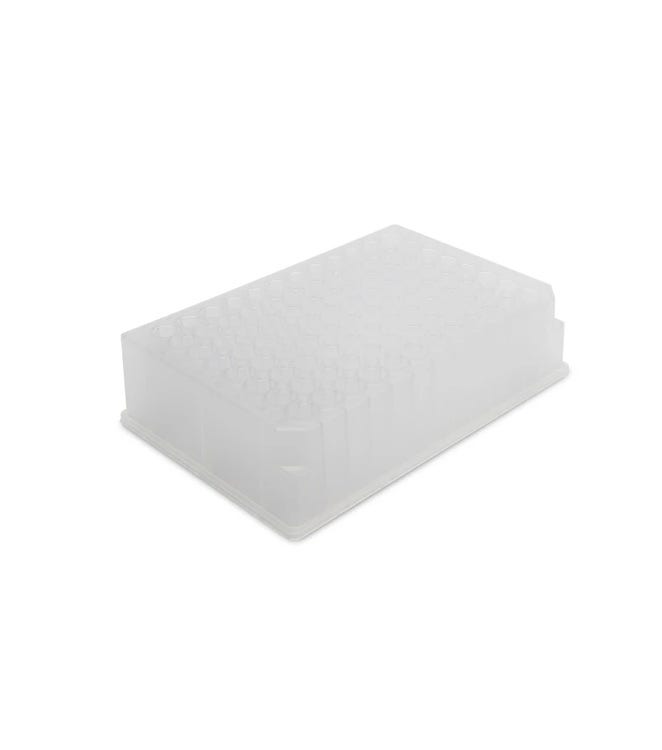
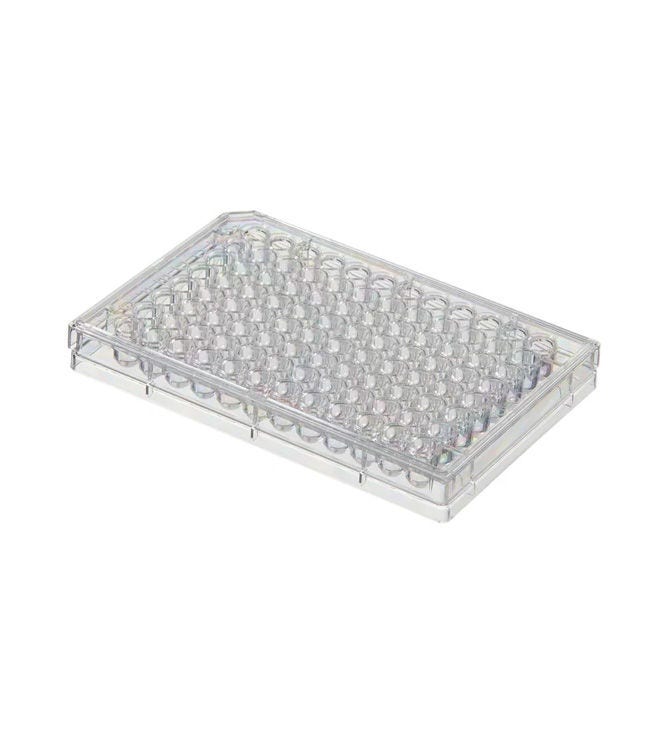
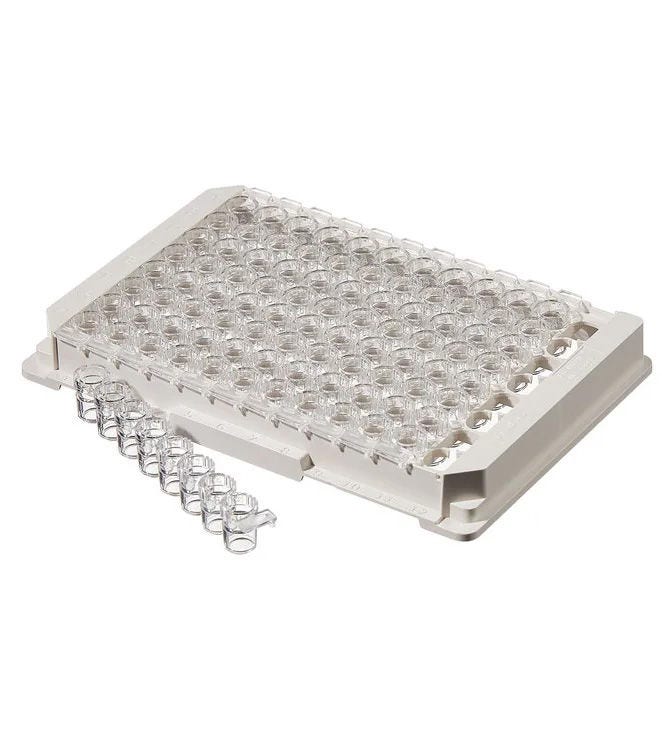
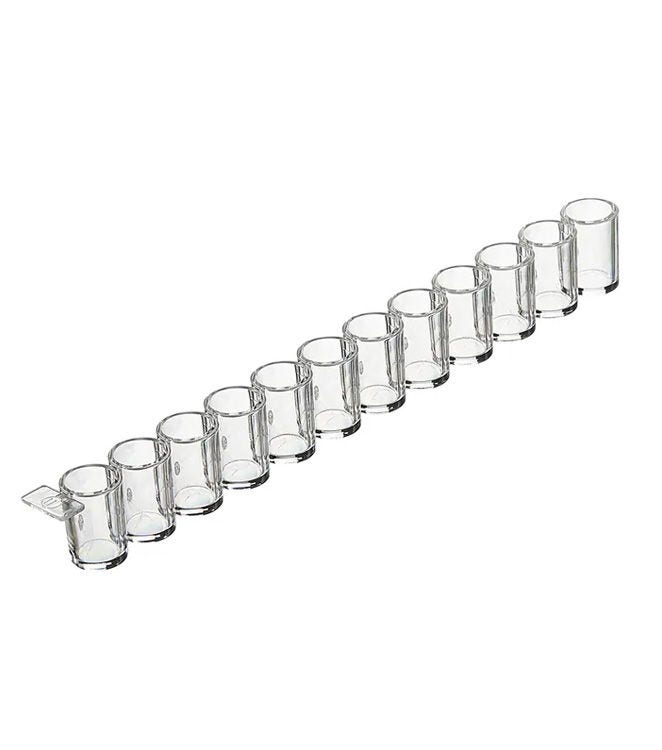
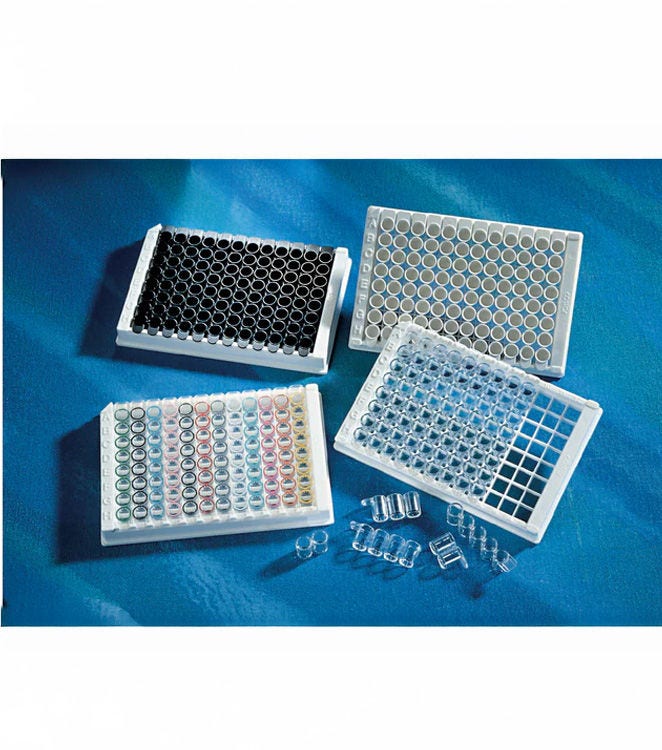
- Well Format: Available in various well formats, such as 8-well or 12-well strips, which can be combined to form a full 96-well or 384-well plate.
- Detachable Strips: The strips can be detached and used individually or in combination, providing flexibility in the number of wells used per experiment.
- Surface Treatment: The wells may have different surface treatments to enhance cell attachment, protein binding, or to be non-binding, depending on the application.
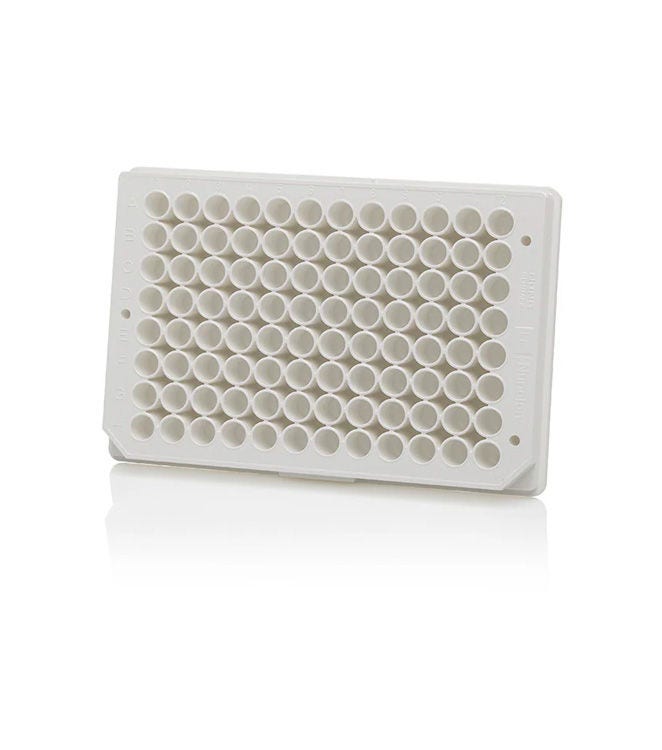
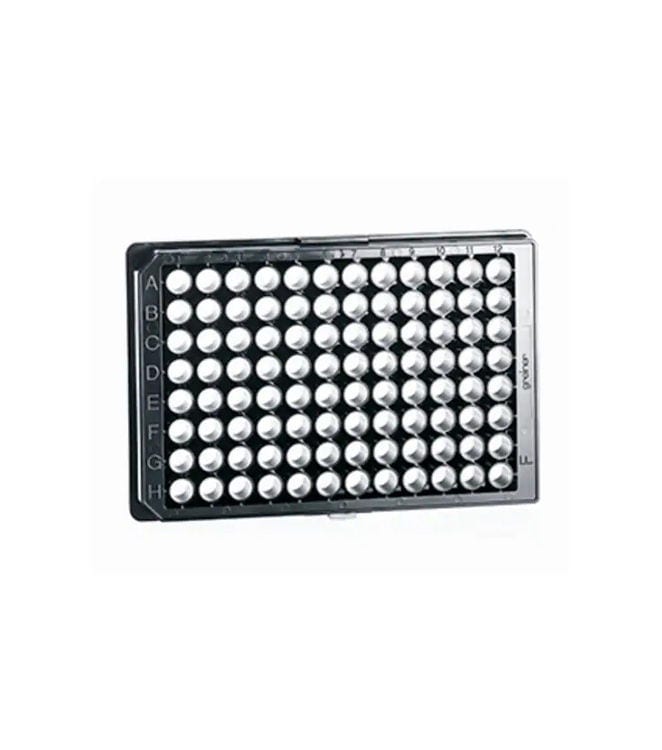
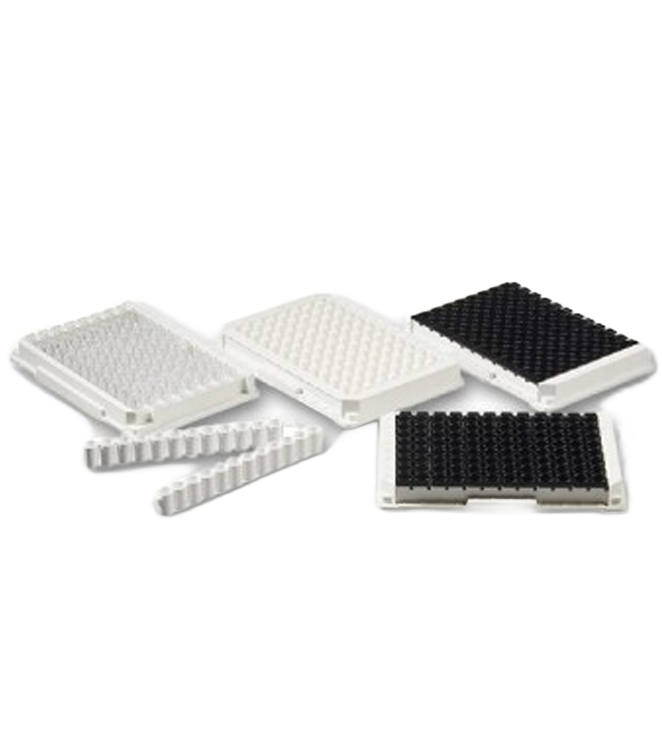
- Optical Properties: Clear, white, or black wells are available. Clear wells are used for colorimetric assays, white for luminescence assays, and black for fluorescence assays to reduce background signal.
- Sterility: Available in sterile or non-sterile formats, depending on the requirements of the experiment.
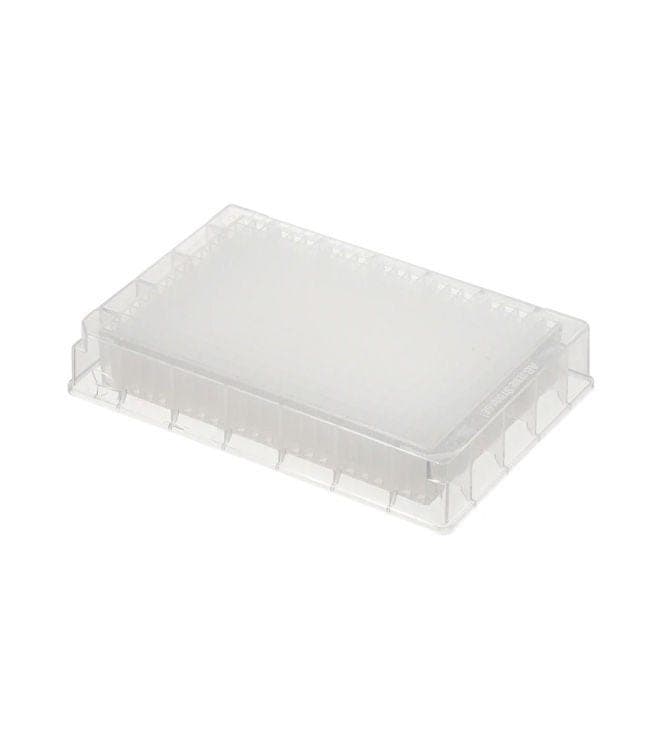
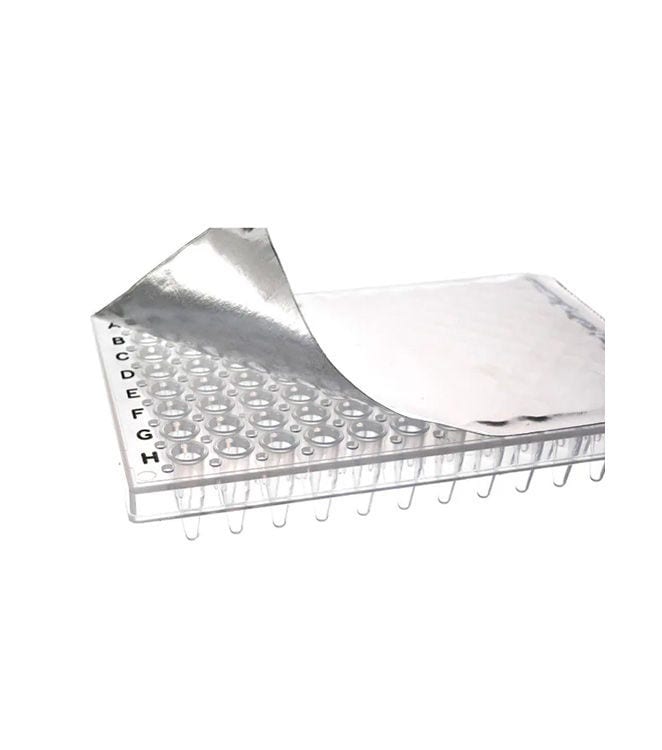
- Lids and Seals: Often come with lids or adhesive seals to prevent contamination and evaporation.
- Compatibility: Designed to be compatible with standard laboratory equipment such as microplate readers, washers, and pipettes.
These features make microplate strips versatile and essential tools in various biological and chemical assays.
Utilizing microplate strips in laboratory settings can present several challenges. Here are some common issues and their potential solutions:
- Sample Evaporation: this can happen especially in the outer wells which can lead to inconsistent results. Use adhesive seals or lids to cover the strips during incubation. Additionally, consider using a humidified chamber to minimize evaporation.
- Cross-Contamination: this can occur between wells and compromise the accuracy of results. Ensure proper pipetting techniques and use barrier tips. Clean equipment thoroughly between uses and handle strips with care to avoid splashing.
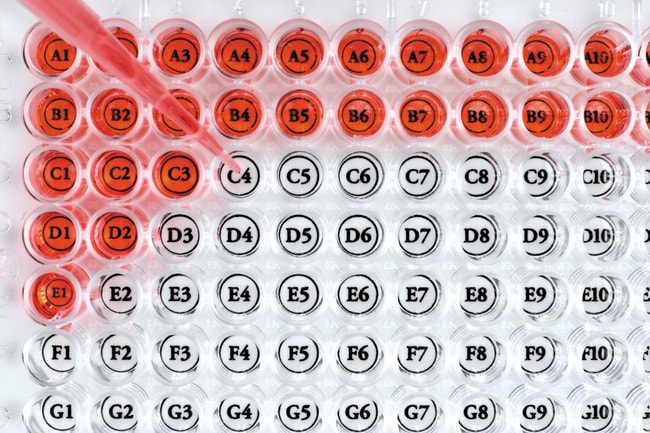
- Inconsistent Well Volumes: variability in the volume of liquid dispensed into each well can lead to inconsistent results. Calibrate pipettes regularly and use multichannel pipettes for uniform dispensing. Practice consistent pipetting techniques.
- Reader Compatibility: not all microplate readers are compatible with all types of microplate strips, leading to difficulties in reading results. Verify compatibility of the microplate strips with your microplate reader before purchasing. Use adapters if necessary.
- Handling and Storage: improper handling and storage can lead to contamination or damage to the strips. Store strips in a clean, dry environment, preferably in their original packaging. Handle strips with gloves to avoid contamination and use sterile techniques if necessary.
When buying microplate strips, consider the following five factors to ensure they meet your experimental needs:
- Material: choose the appropriate material based on chemical compatibility and the type of assay. Common materials include polystyrene (good for optical clarity), polypropylene (chemical resistance), and polycarbonate (durability).
- Well Format and Volume: determine the well format (e.g., 8-well, 12-well) and the volume capacity of each well. Ensure the format and volume are suitable for your assay requirements and compatible with your laboratory equipment.
- Surface Treatment: select the surface treatment based on your application. For example, tissue culture-treated surfaces for cell-based assays, high-binding surfaces for ELISA, or non-binding surfaces for minimizing protein or cell adhesion.
- Optical Properties: choose the color of the wells based on the detection method. Clear wells for colorimetric assays, white wells for luminescence assays, and black wells for fluorescence assays to minimize background noise.
- Sterility and Packaging: consider whether you need sterile or non-sterile strips based on your experimental requirements. Also, check the packaging to ensure it maintains sterility and is convenient for your usage pattern (e.g., individually wrapped strips).
Related Documentation

Top Brands