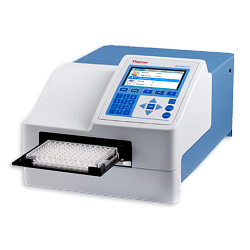
Microplate Readers and Reader Accessories
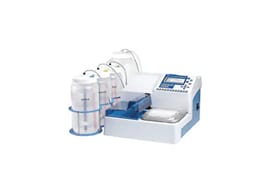
Microplate readers are a type of spectrophotometer designed specifically for high-throughput screening (HTS), biomarker assays, nucleic acid and protein quantification, kinetics, ELISA assays, homogeneous time-resolved fluorescence (HTRF) for measuring cytokines, as well as bioluminescence resonance energy transfer (BRET) and other techniques.

Useful Links
Save Now - Exclusive Deals

Product Code 15330777
Product Code 15330767
Product Code 15340777

Product Code 12413458
Complete Your Order - Great Deals



Must Have
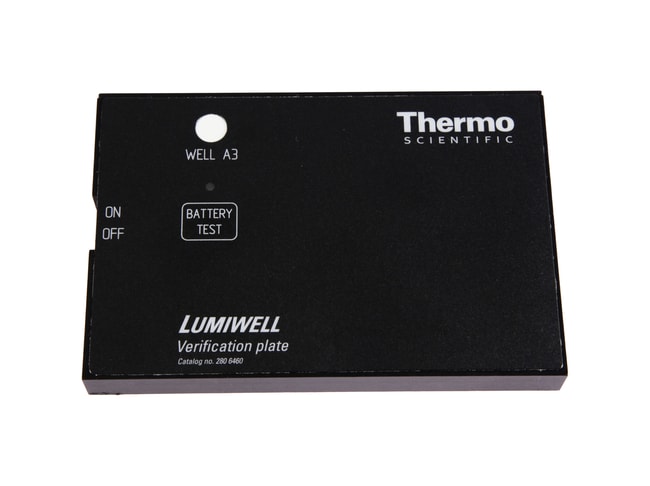
Product Code 11958995
Product Code 15350747
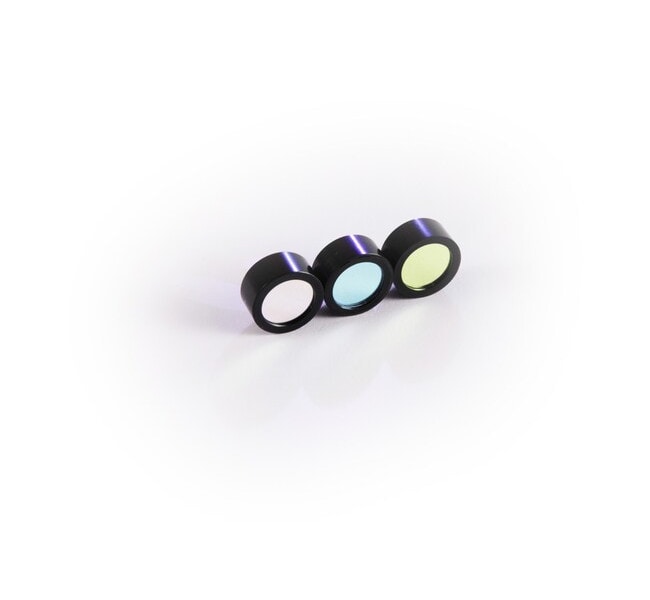

Product Code 11899143
Product Code 17104669
FAQ
A microplate reader is an analytical instrument that measures optical signals, such as absorbance, fluorescence, luminescence, or fluorescence polarization, from samples arranged in multi-well plates (commonly 96-, 384-, or 1536-well formats). It works by directing light of specific wavelengths through each well and detecting the intensity of transmitted or emitted light using photodiodes or photomultiplier tubes. Microplate readers are used in enzyme kinetics, nucleic acid quantification, ELISA, protein-protein interaction studies, and drug discovery assays. Advanced models integrate multimode detection and monochromator-based wavelength selection, providing flexibility across multiple assay types without changing filters.
Several factors determine sensitivity, precision, and assay compatibility:
- Detection modes: Choose single-mode (absorbance only) or multimode readers supporting fluorescence, luminescence, or time-resolved fluorescence (TRF).
- Dynamic range and sensitivity: A wide dynamic range (≥6–7 logs) ensures accurate quantification from high to low signal intensities.
- Wavelength selection: Monochromator systems offer tunable wavelength flexibility, while filter-based optics deliver higher sensitivity for fixed assays.
- Reading speed and uniformity: Fast, precise optics and plate movement systems maintain reproducibility across all wells.
- Temperature control, shaking, and CO₂ incubation: Critical for kinetic and live-cell assays.Selecting the correct configuration ensures reliable optical density (OD) measurements, fluorescence quantification, and reproducible assay results across applications.
High-performance microplate readers support advanced analytical workflows and regulatory compliance:
- Automatic calibration and self-diagnostics for consistent optical alignment.
- User-programmable assay protocols with onboard data reduction and curve fitting.
- Software integration with LIMS and data export in GLP/GMP-compliant formats (PDF, XML, CSV).
- User authentication, audit trails, and 21 CFR Part 11–ready software for traceability.
- Remote operation, kinetic data capture, and multi-point scanning for complex biological or high-throughput screening assays. These capabilities ensure accuracy, reproducibility, and regulatory readiness for both R&D and quality-controlled environments.
Top Brands