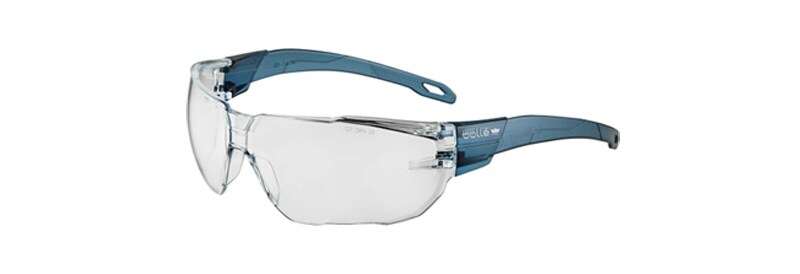
When talking about safety eyewear, standards such as EN166 and EN170 are often mentioned. These standards define the safety levels required to properly protect your eyes at work. A new standard, EN ISO 16321, has now been developed and is gradually replacing the long-standing EN166 that has been the reference for nearly 20 years. This transition period will end on 11 December 2025, but what does this new version really mean for the end user and why was a change needed?
Why a New Standard?
Work environments are changing, featuring new tools, new machines, and new materials. As such, the old EN166 (2001) standard no longer fully covered the risks faced in today’s workplaces. The new EN ISO 16321 standard was created to:
- Better reflect modern industrial needs
- Harmonize eye-protection standards internationally through the use of an 'ISO' designation
What Actually Changes?
A More Complete and Modern View of Risks
EN ISO 16321 takes into account a wider range of real-world hazards and has added/changed the following:
- Speed of high-energy impact requirements were reduced to better match real-world hazards
- Liquids and droplets are now split into two different markings
- Chemical resistance can now be tested
This results in a standard that better matches how safety eyewear is used today.
Stricter and More Detailed Testing
The new standard introduces more demanding testing methods, especially for impact resistance, including:
- Reinforced criteria for frame and lens durability
- Additional checks on thermal stability and material performance
In practice, EN ISO 16321-certified products deliver more consistent and reliable protection.
Clearer and Better-Structured Classification
EN166 could feel confusing for non-experts, with many symbols and combinations. EN ISO 16321 brings:
- Clearer markings
- More consistent rules across countries
- Easier interpretation for both manufacturers and users
When Is EN166 Still Valid Until?
The official transition period ends on 11 December 2025 (after being pushed back from 11 November 2025), meaning that no new certificates can be issued under EN166 after that date. However, EN166-certified products already on the market remain valid until their certificate expires, with each certificate lasting 5 years. Manufacturers have already begun certifying new products under EN ISO 16321. For example, Bollé Safety SWIFT Safety Spectacles are already certified under this standard, fully aligning with the latest requirements. This means we are currently in a coexistence phase, where:
- EN166 products remain compliant if their certificate is still active
- EN ISO 16321 products represent the new benchmark for modern protection
Three Key Things to Remember
- EN ISO 16321 is progressively replacing EN166, with the transition period officially ending on 11 December 2025
- Testing requirements are stricter and more modern, delivering more reliable and consistent protection
- Both standards still coexist today-EN166 products remain valid until their 5-year certificate expires, while many new products (including Bollé Safety SWIFT Safety Spectacles) are already certified under EN ISO 16321.
Related Products

Catalog Number 18808753