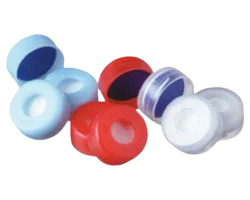
Chromatography Autosampler Vial Caps
Chromatography autosampler vial caps are essential for maintaining sample integrity throughout analytical workflows. Designed for HPLC, UHPLC and GC applications, these caps provide reliable sealing performance, minimize contamination risks and support reproducible analytical results. The Fisher Scientific channel offers a comprehensive range of chromatography vial cap solutions from the Thermo Scientific, Fisherbrand and DWK brands/portfolios, including screw caps, snap caps, crimp caps and septa configurations suitable for routine and advanced laboratory environments.
Useful Links
Save Now - Exclusive Deals

Product Code 10132422

Product Code 11793127


Product Code 11797567

Product Code 17334043


Product Code 17304023

Product Code 17324033

Product Code 11737577

Product Code 17323863
Product Code 11742458

Product Code 17333923
Product Code 10729454
Product Code 10759644
Must Have

Product Code 11823861
Product Code 11772438
Product Code 11778246
Product Code 17333873

Product Code 17393843
Product Code 17374053

Product Code 11797617
Product Code 15239468
Product Code 17314053

Product Code 11894960
Product Code 11722438
Product Code 11707607

Product Code 11814990
Product Code 17344043
Product Code 11863021
FAQ
Chromatography autosampler vial caps seal sample vials used in HPLC, UHPLC and GC workflows. They help prevent evaporation, contamination and sample loss while supporting consistent analytical performance.
Select a cap based on vial size, closure type, septa material and instrument compatibility. The Thermo Scientific, Fisherbrand and DWK brands/portfolios offer options for routine and advanced chromatography methods.
Silicone/PTFE septa are widely used because they provide chemical resistance, low extractables and reliable resealing performance during repeated injections.
Screw caps are commonly preferred for routine laboratory workflows because they are easy to apply, convenient to remove and provide dependable sealing performance.
High-quality vial caps help maintain sample integrity, reduce contamination risks and support reproducible chromatographic results, contributing to more reliable analytical data.
Top Brands