missing translation for 'onlineSavingsMsg'
Learn More
Learn More
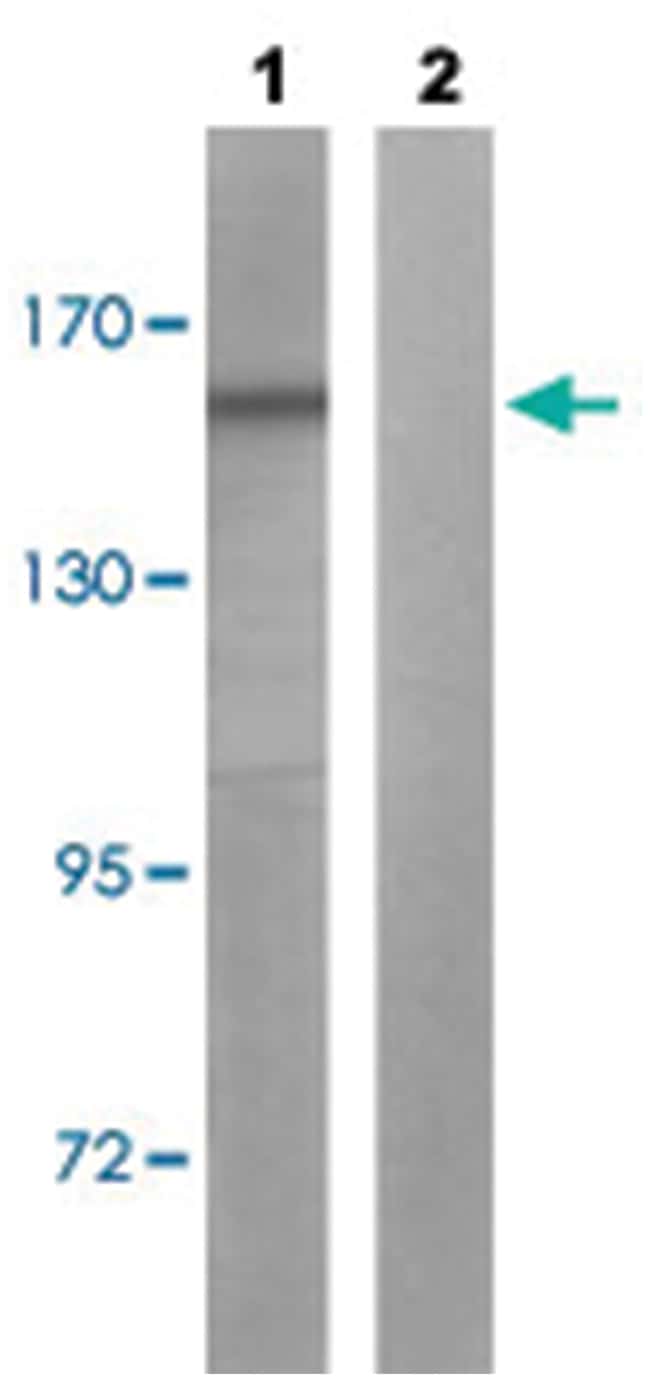
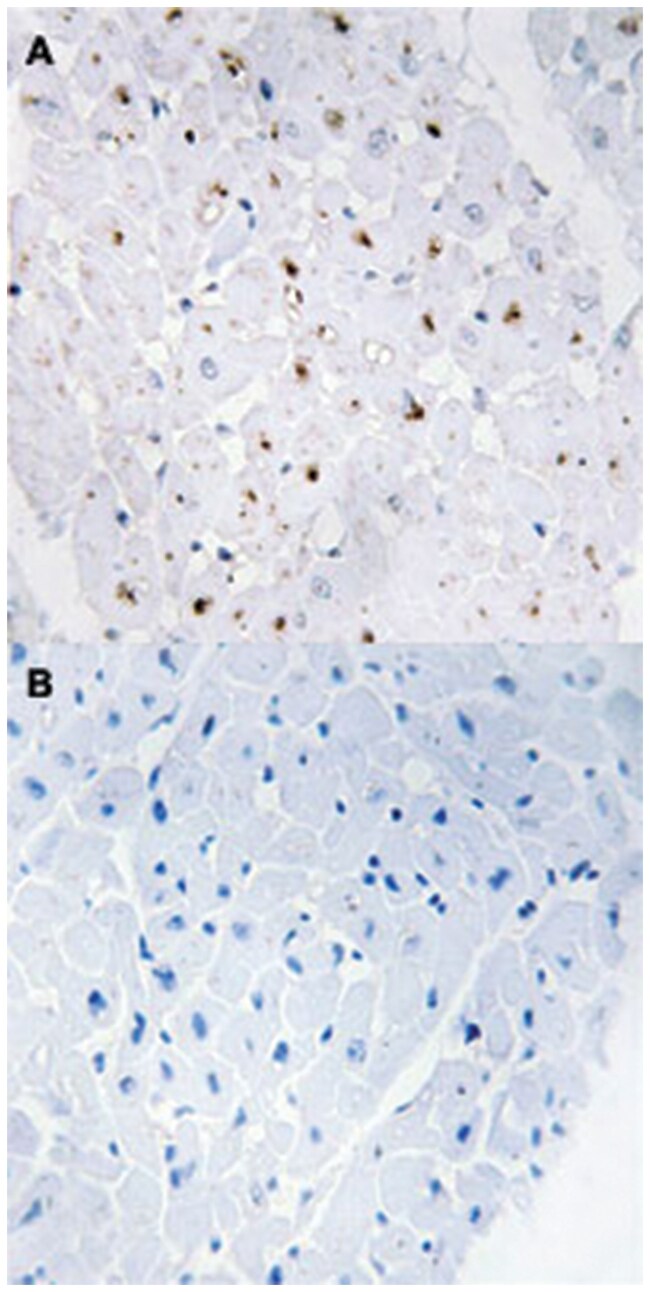
BLM (phospho T99), Rabbit anti-Human, Mouse, Rat, Polyclonal Antibody, Abnova™
Rabbit polyclonal antibody raised against synthetic phosphopeptide of human BLM.
Brand: Abnova PAB29273.100uL
This item is not returnable.
View return policy
Description
The Bloom syndrome gene product is related to the RecQ subset of DExH box-containing DNA helicases and has both DNA-stimulated ATPase and ATP-dependent DNA helicase activities. Mutations causing Bloom syndrome delete or alter helicase motifs and may disable the 3'-5' helicase activity. The normal protein may act to suppress inappropriate recombination. [provided by RefSeq]
Specifications
| BLM | |
| Polyclonal | |
| Rabbit polyclonal antibody raised against synthetic phosphopeptide of human BLM. | |
| In PBS (without mg2+ and Ca2+), 150mM NaCl, pH 7.4 (50% glycerol, 0.02% sodium azide) | |
| P54132 | |
| BLM | |
| Synthetic phosphopeptide (conjugated with KLH) corresponding to residues surrounding T99 of human BLM. | |
| 100 μL | |
| Primary | |
| BLM (phospho T99) polyclonal antibody detects endogenous levels of human BLM only when phosphorylated at threonine 99. | |
| Store at -20°C. Aliquot to avoid repeated freezing and thawing. |
| Immunohistochemistry (PFA fixed), Western Blot | |
| Unconjugated | |
| Immunohistochemistry (1:50∼1:100) Western Blot (1:500∼1:1000) The optimal working dilution should be determined by the end user. | |
| BLM | |
| BS/MGC126616/MGC131618/MGC131620/RECQ2/RECQL2/RECQL3 | |
| Rabbit | |
| Affinity Chromatography | |
| RUO | |
| 641 | |
| Human, Mouse, Rat | |
| Liquid |
Product Content Correction
Your input is important to us. Please complete this form to provide feedback related to the content on this product.
Product Title
For Research Use Only
Spot an opportunity for improvement?Share a Content Correction