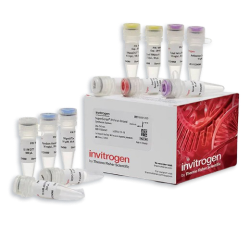
cDNA Synthesis Kits and Master Mixes
Indispensable tools for advanced genetic research and diagnostics, cDNA Synthesis Kits and Master Mixes are essential for converting RNA into complementary DNA with high efficiency and accuracy. They streamline various molecular biology applications, such as RT-PCR and gene expression analysis, by providing reliable and reproducible results.


Useful Links
Save Now - Exclusive Deals

Product Code 4526936

Product Code 15255146

Product Code 7180341

Product Code 7184592

Product Code 6539085

Product Code 4926541

Product Code 4921680
Must Have

Product Code 7076270

Product Code 7188044

Product Code 7188045

Product Code 7078247

Product Code 7180609

Product Code 200009447
Complete Your Order - Great Deals

Product Code 10859710

Product Code 10320995
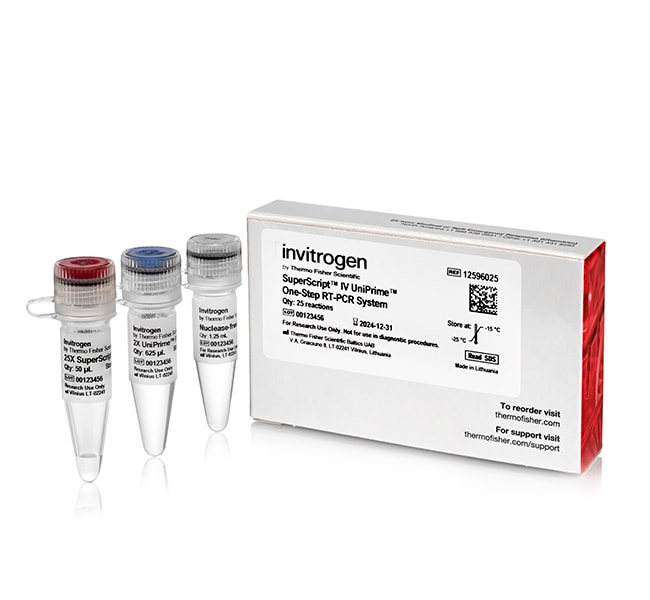
Product Code 17843054
Resources and Related Information


FAQ
DNA Synthesis Kits and Master Mixes are commonly used for:
- Gene Expression Analysis: converting RNA into complementary DNA (cDNA) for quantitative PCR (qPCR) or reverse transcription PCR (RT-PCR) to measure gene expression levels
- Cloning and Sequencing: creating cDNA libraries for cloning and sequencing purposes, allowing researchers to study gene sequences and functions
- RNA-Seq: preparing samples for RNA sequencing (RNA-Seq) to analyze transcriptomes and identify gene expression patterns across different conditions or treatments
- Functional Genomics: investigating the function of genes by studying their expression profiles and how they change in response to various stimuli or genetic modifications
- Diagnostics: detecting and quantifying viral RNA or other RNA biomarkers in clinical samples for diagnostic purposes, such as identifying infections or disease states
- RNA Quality and Quantity: degraded or contaminated RNA can lead to poor cDNA yield and unreliable results. To overcome this, use high-quality RNA extraction methods, assess RNA integrity using gel electrophoresis or a bioanalyzer, and quantify RNA accurately before starting cDNA synthesis
- Enzyme Inhibition: contaminants such as salts, phenol, or ethanol from RNA extraction can inhibit the reverse transcriptase enzyme. To overcome this, thoroughly purify RNA to remove contaminants, use RNA cleanup kits if necessary, and ensure proper washing steps during RNA extraction
- Primer Design and Specificity: poorly designed primers can lead to non-specific amplification or inefficient cDNA synthesis. Instead, design primers that are specific to the target RNA, avoid regions with secondary structures, and validate primers using in silico tools or experimental testing
- Template Secondary Structures: RNA secondary structures can hinder the reverse transcriptase enzyme from efficiently synthesizing cDNA. Use additives like DMSO or betaine to reduce secondary structures, and optimize reaction conditions to minimize their impact
- Contamination: with genomic DNA or other sources of RNA can lead to false positives or inaccurate quantification. Use DNase treatment to remove genomic DNA, implement stringent contamination control measures (e.g., using RNase-free reagents and consumables), and include no-RT controls to check for genomic DNA contamination
1. Enzyme Quality and Efficiency: ensure the kit includes high-quality reverse transcriptase enzymes that provide high efficiency and fidelity in cDNA synthesis. This is crucial for accurate and reliable results
2. Compatibility With Downstream Applications: check if the cDNA synthesis kit is compatible with your intended downstream applications, such as qPCR, RT-PCR, or next-generation sequencing. Some kits are optimized for specific applications
3. Reaction Conditions and Flexibility: consider the reaction conditions required by the kit, including temperature and time. Kits that offer flexibility in reaction conditions can be advantageous for different experimental setups
4. Ease of Use and Protocol Simplicity: Kits with fewer steps and simplified procedures can save time and reduce the potential for errors
5. Cost and Value for Money: evaluate the cost of the kit in relation to the number of reactions it provides. Consider the overall value for money, including the quality of reagents and the reliability of the results
Shop By Brands