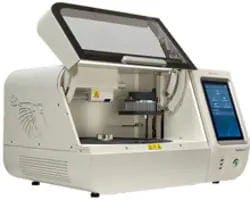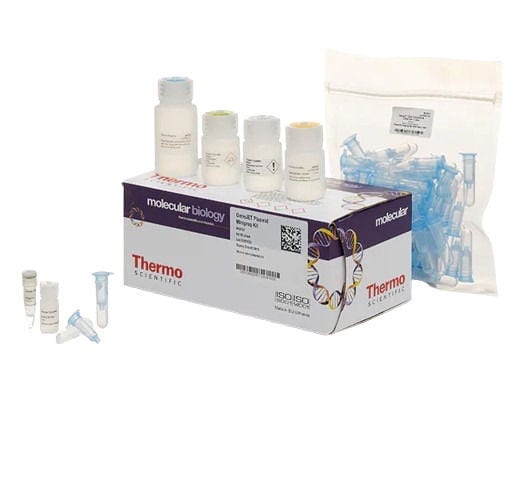
RNA Preparation and Purification
Including organic reagents, kits with silica gel spin columns or magnetic beads, buffers, enzymes, enzyme inhibitors, consumables, and more, our products are designed for the isolation of different RNA types including total RNA, mRNA, viral RNA, and bacterial RNA from various sources.

Useful Links
Save Now - Exclusive Deals

Product Code 10584445

Product Code 10177094

Product Code 10615995

Product Code 10063854

Product Code 10124942

Product Code 17707534

Product Code 15870373

Product Code 15612032

Product Code 4926385
Product Code 15880833

Product Code 10506945

Product Code 10670556
Must Have

Product Code 11873933

Product Code 15235106

Product Code 11492380

Product Code 4918690

Product Code 10448834
Product Code 17782438

Product Code 13433119

Product Code 30067473
Complete Your Order - Great Deals

Product Code 9161003

Product Code 9703001

Product Code 10289104
FAQ
RNA purification is a critical process in molecular biology to isolate high-quality RNA for various downstream applications. Here are the general steps involved in RNA purification:
- Sample Collection: Collect the biological sample (e.g., tissue, cells, blood) while ensuring it is kept on ice or preserved in an RNA stabilization solution to prevent RNA degradation
- Cell Lysis: Lyse the cells or tissue to release RNA. This is often done using a lysis buffer containing detergents and chaotropic agents that disrupt cell membranes and denature proteins
- Homogenization: Homogenize the sample to ensure complete cell disruption and solubilization of all cellular components. This can be done mechanically or using a homogenizer
- Phase Separation: Add phenol/chloroform or a similar reagent to separate RNA from DNA and proteins. After centrifugation, the mixture separates into aqueous (containing RNA), interphase (containing DNA), and organic (containing proteins) phases
- RNA Precipitation: Transfer the aqueous phase to a new tube and precipitate the RNA by adding isopropanol or ethanol and incubating the mixture at low temperature (e.g., -20°C)
- RNA Washing: Centrifuge to pellet the RNA, remove the supernatant, and wash the RNA pellet with cold ethanol (70%) to remove impurities
- RNA Resuspension: Dry the RNA pellet briefly and resuspend it in RNase-free water or buffer for storage
- RNA Quality Assessment: Assess the quantity and quality of the purified RNA using spectrophotometry (e.g., A260/A280 ratio) and gel electrophoresis or an automated electrophoresis system (e.g., Bioanalyzer)
RNA purification is important for several reasons:
- Accurate Gene Expression Analysis: High-quality RNA is essential for reliable results in gene expression studies, including quantitative PCR (qPCR), RNA sequencing (RNA-seq), and microarray analysis
- Molecular Biology Research: Purified RNA is required for various molecular biology techniques such as cloning, in vitro transcription, and studying RNA structure and function
- Disease Diagnosis and Research: RNA purification is crucial for identifying and studying disease-related gene expression patterns, which can aid in diagnosing conditions like cancer, infectious diseases, and genetic disorders
- Biotechnology Applications: In biotechnology, purified RNA is used to produce recombinant proteins, develop RNA-based therapeutics, and perform gene editing using techniques like CRISPR-Cas9
- Preventing Contamination: Purification ensures that RNA samples are free from contaminants such as DNA, proteins, and other cellular components, which could interfere with downstream applications and lead to inaccurate results
- High Sensitivity and Specificity: Many RNA-based assays are highly sensitive and require pure RNA to detect low-abundance transcripts accurately and specifically
Overall, RNA purification is a critical step that ensures the integrity, purity, and quality of RNA, enabling accurate and reproducible results in various research and clinical applications.
RNA purification can be challenging due to:
- RNA Degradation: RNA is highly susceptible to degradation by RNases, which are ubiquitous and very stable enzymes. Preventing RNase contamination and activity is crucial
- Sample Quality: The quality and type of the starting material (e.g., tissues, cells, body fluids) can affect the yield and purity of RNA. Handling and storage conditions must be optimized to preserve RNA integrity
- Contamination: Contaminants such as DNA, proteins, and phenol can co-purify with RNA and interfere with downstream applications. Effective separation and removal of these contaminants are necessary
- Low Yield: Some samples may yield low amounts of RNA, making it difficult to obtain sufficient material for analysis. Efficient extraction methods and concentration steps are needed to maximize yield
- Complexity of Biological Samples: Different types of samples (e.g., plant tissues, bacterial cells, animal tissues) may require specific lysis and purification protocols due to their unique compositions and structures
- Inhibitors of Downstream Applications: Residual chemicals or reagents used during RNA purification (e.g., phenol, ethanol) can inhibit enzymes used in downstream processes. Thorough washing and proper handling are required to eliminate these inhibitors
- Reproducibility: Achieving consistent and reproducible results can be challenging, especially when working with different sample types or small quantities of RNA
Resources and Related Information
Shop By Brand