Learn More




Description
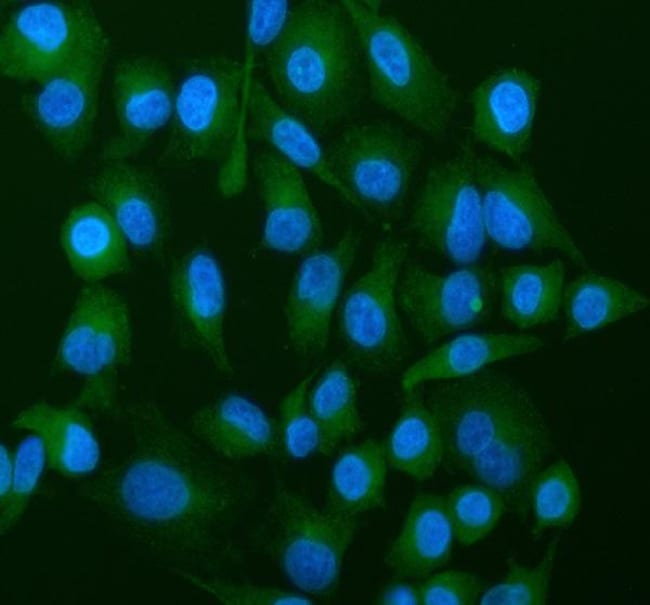
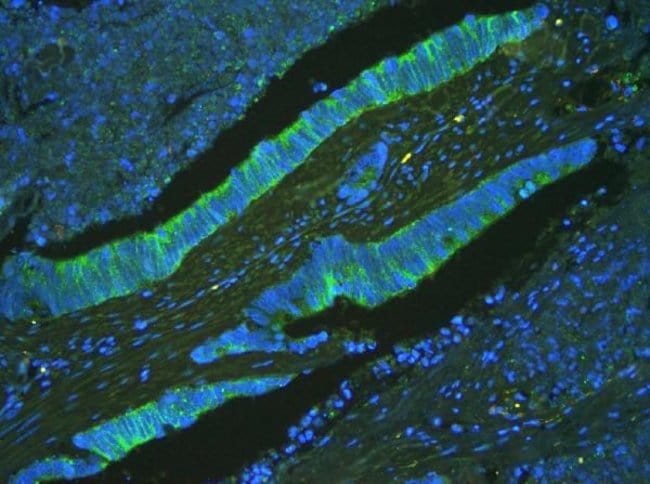
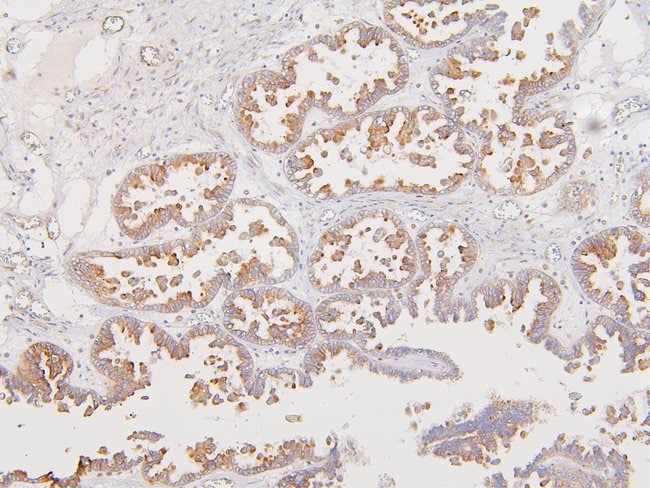
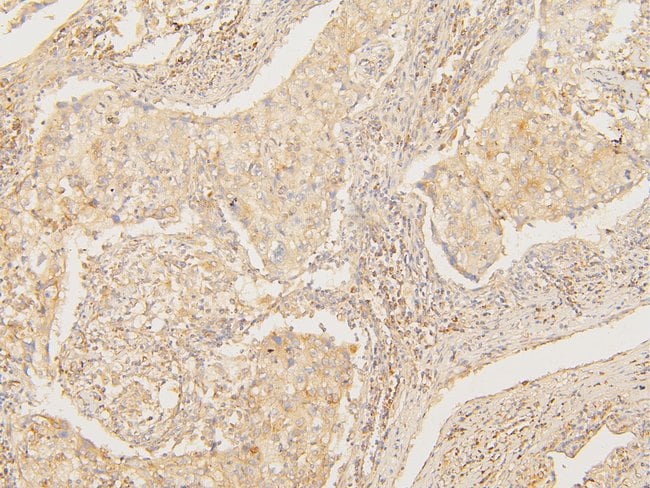
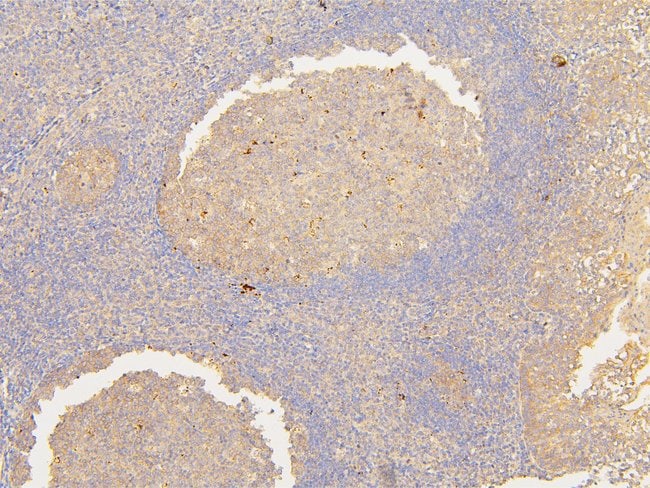
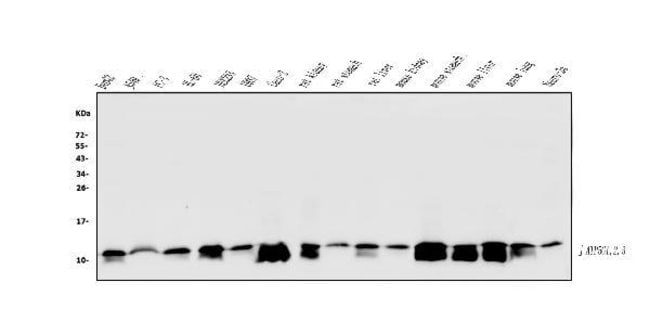
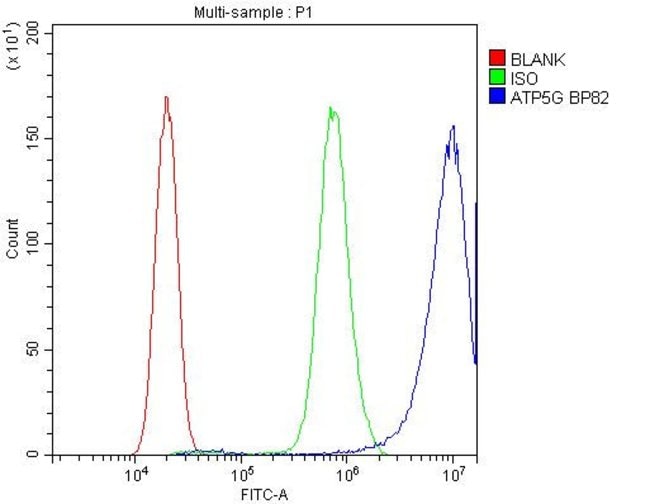
Reconstitute with 0.2 mL of distilled water to yield a concentration of 500 μg/mL. Positive Control - WB: human HEPG2 whole cell, human A549 whole cell, human PC-3 whole cell, human HL-60 whole cell, human HEK293 whole cell, human U937 whole cell, human CACO-2 whole cell, rat intestine tissue, human Ovarian cancer tissue, human tonsil tissue, human glioma tissue, human lung cancer tissue, human placenta tissue, mouse intestine tissue. IHC: human intestinal tissue. Flow: HL-60 cell, PC-3 cell. Store at -20°C for one year from date of receipt. After reconstitution, at 4°C for one month. It can also be aliquotted and stored frozen at -20°C for six months. Avoid repeated freeze-thaw cycles.

Specifications
Specifications
| Antigen | ATP5G1/2/3 |
| Applications | ELISA, Flow Cytometry, Immunohistochemistry (Paraffin), Western Blot, Immunocytochemistry |
| Classification | Polyclonal |
| Concentration | 500 μg/mL |
| Conjugate | Unconjugated |
| Formulation | PBS with 4mg trehalose and 0.05mg sodium azide |
| Gene | ATP5G2 |
| Gene Accession No. | P05496, P48201, P56383, P56384, Q06055, Q06646, Q9CR84 |
| Gene Alias | 1810041M08Rik; 6030447M23; ATP synthase c subunit; ATP synthase F(0) complex subunit C1, mitochondrial; ATP synthase F(0) complex subunit C2, mitochondrial; ATP synthase F(0) complex subunit C3, mitochondrial; ATP synthase H+ transporting mitochondrial F0 complex subunit c (subunit 9) isoform 1; ATP synthase lipid-binding protein; ATP synthase lipid-binding protein, mitochondrial; ATP synthase membrane subunit c locus 1; ATP synthase membrane subunit c locus 2; ATP synthase membrane subunit c locus 3; ATP synthase proteolipid P1; ATP synthase proteolipid P2; ATP synthase proteolipid P3; ATP synthase proton-transporting mitochondrial F(0) complex subunit C1; ATP synthase proton-transporting mitochondrial F(0) complex subunit C2; ATP synthase proton-transporting mitochondrial F(0) complex subunit C3; ATP synthase subunit 9; ATP synthase, H+ transporting, mitochondrial F0 complex, subunit c (subunit 9) isoform 3; ATP synthase, H+ transporting, mitochondrial F0 complex, subunit c (subunit 9), isoform 1; ATP synthase, H+ transporting, mitochondrial F0 complex, subunit c (subunit 9), isoform 2; ATP synthase, H+ transporting, mitochondrial F0 complex, subunit c (subunit 9), isoform 3; ATP synthase, H+ transporting, mitochondrial F0 complex, subunit c, isoform 1; ATP synthase, H+ transporting, mitochondrial F0 complex, subunit c, isoform 3; ATP synthase, H+ transporting, mitochondrial F0 complex, subunit C1 (subunit 9); ATP synthase, H+ transporting, mitochondrial F0 complex, subunit C2 (subunit 9); ATP synthase, H+ transporting, mitochondrial F0 complex, subunit C3 (subunit 9); ATP synthase, H+ transporting, mitochondrial Fo complex subunit C1 (subunit 9); ATP synthase, H+ transporting, mitochondrial Fo complex subunit C2 (subunit 9); ATP synthase, H+ transporting, mitochondrial Fo complex subunit C3 (subunit 9); ATP synthase, H+ transporting, mitochondrial Fo complex, subunit C1 (subunit 9); ATP synthase, H+ transporting, mitochondrial Fo complex, subunit C2 (subunit 9); ATP synthase, H+ transporting, mitochondrial Fo complex, subunit C3 (subunit 9); ATP synthase, mitochondrial, C subunit-3; ATP5A; ATP5G; ATP5G1; ATP5G2; Atp5g3; ATP5MC1; Atp5mc2; ATP5MC3; ATPase protein 9; ATPase subunit 9; ATPase subunit c; mitochondrial ATP synthase, subunit 9, isoform 1; mitochondrial ATP synthase, subunit C (subunit 9), isoform 2; mitochondrial ATP synthase, subunit C, isoform 1; P3; PSEC0033 |
| Gene Symbols | ATP5G1, ATP5G2, ATP5G3 |
| Show More |
By clicking Submit, you acknowledge that you may be contacted by Fisher Scientific in regards to the feedback you have provided in this form. We will not share your information for any other purposes. All contact information provided shall also be maintained in accordance with our Privacy Policy.